Ten Numbers That Tell the Story of Our District
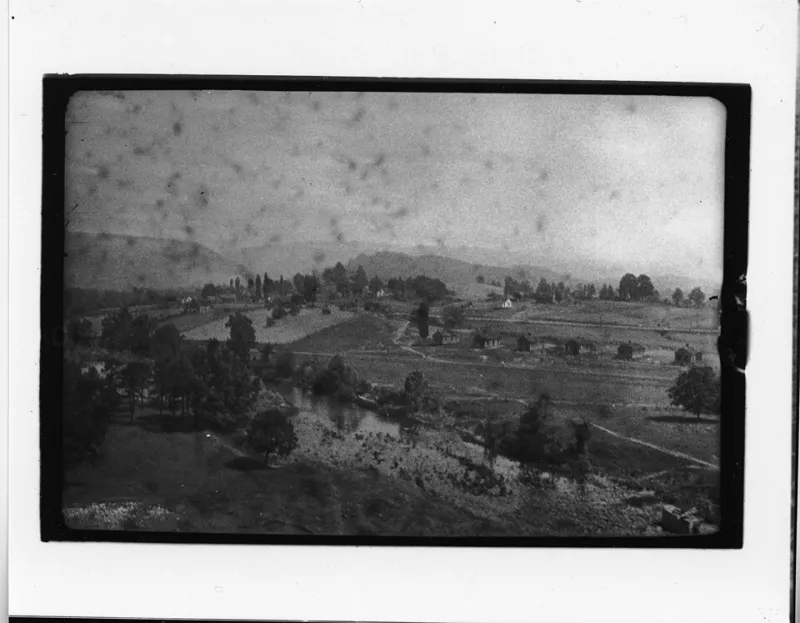
Photo: Smithsonian Institution from United States, No restrictions, via Wikimedia Commons
Campaigns run on slogans; governing runs on data. Before voters head to the polls in 2026, they deserve more than applause lines. They deserve a clear-eyed account of what this district actually looks like — its economy, its families, its challenges — and how a candidate's record connects to each of those realities.
What follows are ten figures drawn from federal and state sources that every constituent should carry into the voting booth, along with an honest explanation of what each means for the work ahead.
1. Roughly 8,000 Small Businesses
Small enterprise is the connective tissue of our local economy — the restaurants, machine shops, and family firms that employ our neighbors. Washington's instinct is to regulate first and ask questions later. Our record reflects the opposite instinct: vote against mandates that fall hardest on businesses too small to absorb them.
2. Over $500 Million in Annual Agricultural Output
Farming and ranching are not a nostalgic footnote here; they are an economic engine. From water rights to labor rules to estate taxes that threaten family operations, federal policy touches every acre. A congressional vote is never abstract to the family betting a season's livelihood on it.
3. A Median Commute Near 28 Minutes
Most of our residents drive to work, which means fuel prices and road conditions aren't talking points — they're line items in the family budget. This is why energy production and highway funding have been consistent legislative priorities.
4. More Than 30,000 Veterans
Our district is home to one of the higher concentrations of veterans in the state. That obligation is personal: caseworkers in a congressional office resolve veterans' benefits claims every week, and votes on VA funding and accountability are votes for people our community knows by name.
5. A Homeownership Rate Above 65 Percent
Homeownership remains the primary way families build wealth here. Zoning pressure, interest rates, and federal housing policy all shape whether the next generation can buy in the community where they were raised. Fiscal discipline that tames inflation is housing policy, whether Washington admits it or not.
6. Roughly One in Five Residents Aged 60 or Older
An aging population means Social Security and Medicare are not abstractions but lifelines. The conservative position is worth stating plainly: these commitments must be honored, and the way to honor them is to put the nation's fiscal house in order before the promises themselves are threatened.
7. Public Land in the Neighborhood of Half the District
Federal land ownership shapes everything from grazing and timber to fire management and public access. Our record on multiple-use doctrine and locally driven land decisions reflects a simple belief: the people who live with the land should have a louder voice than agencies three thousand miles away.
8. A Labor Force Participation Rate Above the National Average
This is a district that works. Which is why every expansion of dependency-creating federal programs must be weighed against the dignity of a paycheck — and why workforce and vocational training deserve at least as much attention as a four-year degree.
9. Broadband Access Still Short of Full Coverage
Rural connectivity is a fairness issue. Students, patients using telehealth, and home-based businesses all suffer when the last miles of broadband go unbuilt. Targeted infrastructure investment — not sprawling, wasteful packages — is the remedy our votes have pursued.
10. Election Margins Decided by a Few Points — and Sometimes Fewer
The final number is the most important one. Our races are competitive, which means no vote is wasted and no vote can be taken for granted. The difference between a district that is represented and a district that is managed from afar is often a few thousand ballots.
Numbers With a Face
Statistics only matter because of the people behind them — the rancher watching the water forecast, the veteran waiting on a claim, the young couple pricing their first home. This campaign's platform wasn't written in a conference room; it was built from these figures and the conversations behind them. We encourage every voter to check our math, compare it to the public record, and hold us to it — before Election Day and after.