Party Labels End at the County Line: Five Ideas Worth Crossing the Aisle For
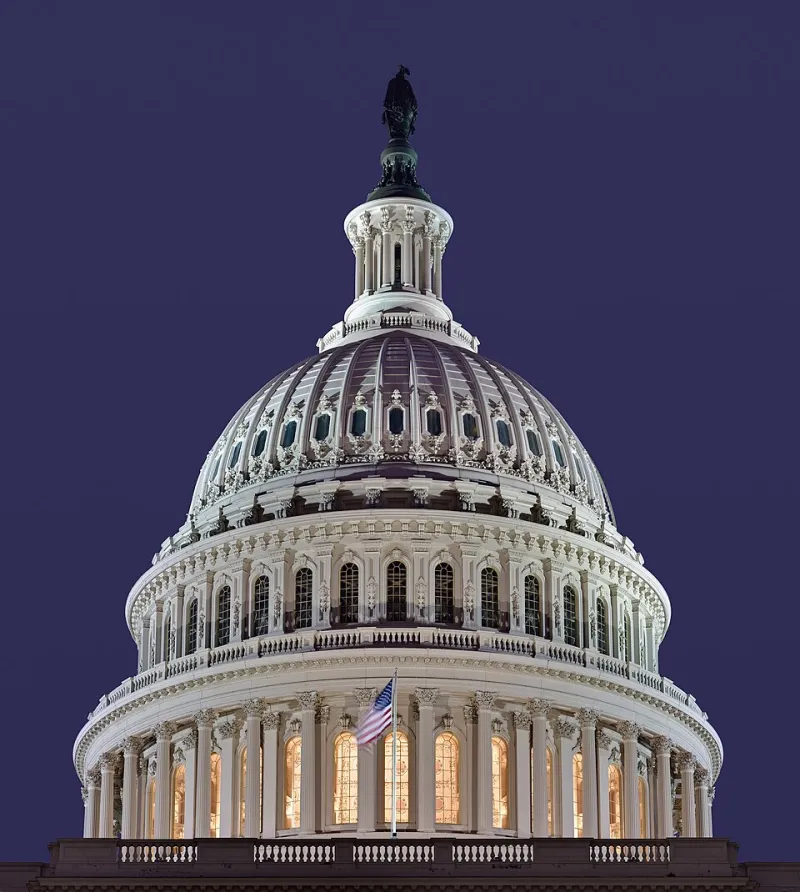
Photo: Diliff, CC BY 2.5, via Wikimedia Commons
Washington has perfected the art of disagreement without consequence. Votes are scheduled, press releases are written, and everyone retreats to their corner until the next fight. Meanwhile, the district's farms, small businesses, and families are left waiting for results that never arrive.
This campaign has never pretended that every good idea comes from one party. A principle worth holding is a principle that survives contact with evidence — including evidence that occasionally comes from the other side of the aisle. Below are five proposals, several of them authored or championed by Democrats, that merit support on their merits. Judge them accordingly.
1. Rural Broadband Expansion
Connectivity is the infrastructure of this century, and much of our district still lags behind. Democratic-led broadband grant programs have, at times, been among the most effective federal investments in rural economies — and they align squarely with conservative goals: private-sector growth, telemedicine access, and remote work that keeps young families in the district. Where the funding mechanism is accountable and the buildout is competitive, this program deserves conservative votes, not just Democratic ones.
2. Prescription Drug Price Transparency
Requiring pharmacies, insurers, and manufacturers to disclose actual pricing before a prescription is filled is a policy with Republican and Democratic parents alike. Transparency is a market correction, not a mandate. When patients can comparison-shop, competition does what conservatives always said it would. There is nothing partisan about demanding that a family know the cost before the counter, not after.
3. Workforce Apprenticeship Credits
Skilled trades are the backbone of this district's economy, and both parties have flirted with tax credits for employers who run registered apprenticeships. Expanding and simplifying these credits — making them available to small contractors, not just large firms — would put more young people on a path to a well-paid career without a four-year degree. This is pro-worker policy that respects the taxpayer.
4. Wildfire Prevention and Forest Management
Perhaps no issue more directly proves that partisanship is a luxury we cannot afford. Active forest management — prescribed burns, fuel reduction, defensible-space grants — has been championed by Western Democrats and forest-health advocates for years, and the science behind it is settled. Every dollar spent on prevention saves multiples in suppression and loss. A congressman who cannot support sound forestry because of its sponsorship is not serving his district.
5. Regulatory Reform for Small Processors
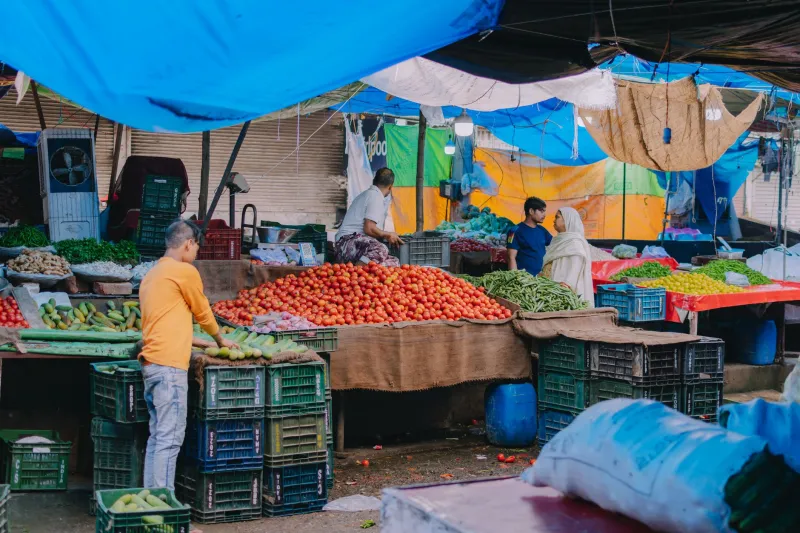
Small meat processors, dairies, and food producers in this district are crushed by inspection rules written for industrial-scale operations. Bipartisan proposals to allow state-inspected meat to cross state lines and to streamline permitting for small processors would restore competition that consolidated agriculture has spent decades eliminating. Free markets need functioning participants, not just freedom on paper.
The Standard, Not the Exception
None of this means softening on the principles that anchor this campaign: fiscal discipline, constitutional fidelity, and a federal government that knows its limits. It means applying those principles honestly. When a proposal expands opportunity, respects the taxpayer, and strengthens the district, its sponsorship is trivia.
Voters are right to be cynical about bipartisanship as theater — the joint press conference, the vague framework, the bill that dies in committee. What they should demand instead is something rarer: an independent judgment, cast vote by vote, with the district's interests as the only fixed point. That is the standard this campaign holds itself to, and the record will show it.