The Firehouse Ledger: A Taxpayer's Guide to Federal Fire Grants, From Application to Apparatus
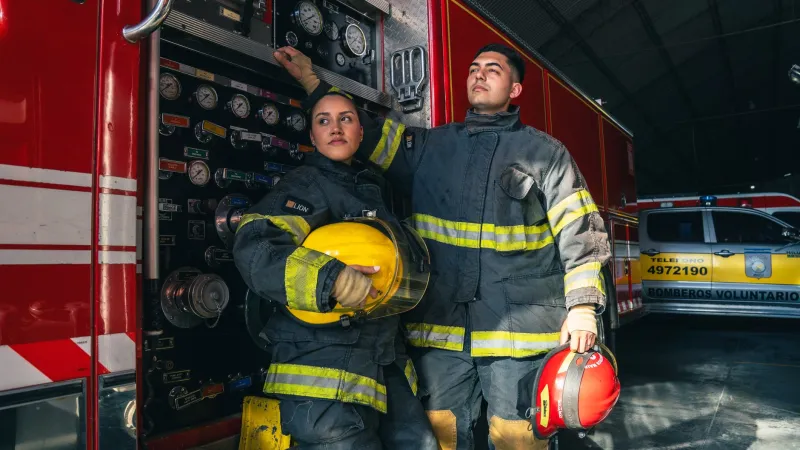
Every volunteer fire company in this district has a wish list. A replacement pumper. A set of turnout coats that have not been handed down twice. A compressor to refill breathing-air cylinders without a two-county drive. The list is real, the need is real, and the price tag is usually larger than a pancake breakfast and a county fair raffle can carry.
That gap is why federal fire grants exist, and it is why they deserve more scrutiny than they usually receive. Money that leaves a federal agency and lands in a local firehouse is still taxpayer money at every step. The purpose of this guide is not to discourage departments from applying. It is to make sure that when a grant is awarded, the people paying for it understand what was bought, who is responsible for it, and what happens when the federal share ends.
One Program, Many Hands
Most of the grant dollars that reach local fire departments come through competitive programs administered by the Federal Emergency Management Agency, chiefly the Assistance to Firefighters Grant program. A separate program, known as SAFER, helps departments recruit and retain staffing. These are not automatic formula payments written into law for every community. They are discretionary awards, scored by reviewers against published criteria, and the competition is genuine.
That distinction matters. A formula grant arrives because a community meets a definition. A competitive grant arrives because somebody wrote a persuasive application and the reviewers ranked it highly. Neither process is a rubber stamp, and neither is a congressional office's signature on a check. No member of Congress can award one of these grants, promise one, or instruct a reviewer how to score it. What a congressional office can do is narrower and more useful: answer questions about a pending application's status, help a department correct a clerical error or a registration problem, connect local officials with the right program office, and make sure constituents know when a notice of funding opportunity is published.
What an office should never do is trade the appearance of influence for a photo opportunity. The integrity of the process depends on the firewall between advocacy and administration, and constituents are entitled to hold us to it.
The Route the Money Takes
The journey begins long before any check is cut. A department must register in the federal government's award management system, obtain a unique entity identifier, assemble financial statements, and describe its call volume, its service area, and the age and condition of the equipment it wants to replace. It must document the local cost share, which varies with the size and population of the jurisdiction served. Then comes the narrative: what the department will buy, why the current equipment falls short, how the purchase will improve response, and how the department will sustain the asset after the award period closes.
If the application scores well, an award letter follows with conditions attached. Funds are typically reimbursed rather than handed over in a lump sum, which means the department must front the cost and draw down afterward. Procurement rules apply. Equipment must be inventoried and tracked. Annual performance reports are required, and larger awards can trigger a single audit under federal uniform guidance.
Then the least glamorous chapter begins: maintenance. A grant buys a truck. It does not buy the diesel, the tires, the pump testing, the training hours, or the reserve account for the replacement twenty years from now. That ongoing obligation belongs to the local government and, ultimately, to the local taxpayer. Any honest conversation about federal fire grants has to include it.
Five Questions Before the Next Cycle
First: What is the documented need, and how is it measured? Response times, mutual-aid dependence, apparatus age, failure rates on pump testing, and ISO ratings are all defensible evidence. A wish list is not. Ask the chief and the governing board to put the case in writing before the application is drafted.
Second: What is the true total cost? The federal share is only the beginning. Add the local match, shipping, outfitting, training, insurance changes, and a realistic annual maintenance figure. A grant that strains the operating budget is not a bargain.
Third: Is this the most cost-effective path? Sometimes the answer is a regional purchase shared with a neighboring department. Sometimes it is a used apparatus in sound condition rather than a new one. Consolidation is an uncomfortable word in volunteer fire service, but taxpayers should hear it considered out loud.
Fourth: Who carries the compliance burden? Federal award management is not a hobby. Ask who will manage the registration portals, the drawdowns, the inventory, the reporting deadlines, and the audit exposure. Small departments have lost money and time to administrative missteps, and a volunteer treasurer deserves to know what he or she is signing up for.
Fifth: What happens when the money runs out? Equipment grants end with an asset that must be maintained. Staffing grants are more delicate, because they fund positions that communities often want to keep after the federal share expires. Ask for a written sunset plan before accepting either.
The Standard We Apply
Our office applies a simple test to federal spending: a constitutional function, a documented need, and a plan for the day the money stops. Fire protection sits close to the core of what local government exists to do, and federal support for training and equipment can be justified when it is targeted, temporary, and transparent. What cannot be justified is a grant culture that treats Washington as a permanent funding source and local budgets as an afterthought.
Constituents who want help understanding a pending application, a notice of funding opportunity, or a compliance question are welcome to contact our district office. That is casework, not favoritism, and we will say so plainly. And for those who want to be part of the larger effort to keep this district strong, our volunteer team is always looking for neighbors willing to knock on doors and carry the message. Standing strong for our district begins with knowing exactly where every dollar goes.