Where the Pavement Meets the Promise: The Local Offices That Make Federal Commitments Real
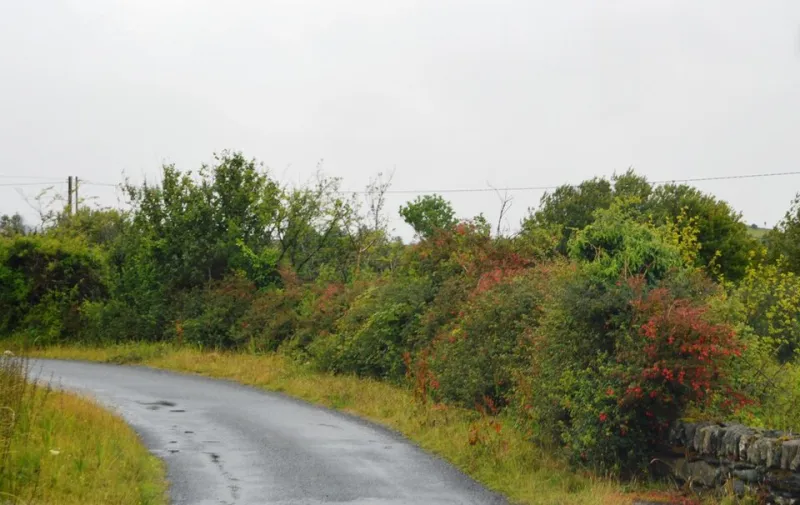
Photo: N Chadwick , CC BY-SA 2.0, via Wikimedia Commons
The Promises We Make on Doorsteps
Every candidate standing at a porch or a fairground booth eventually makes the same kinds of promises: safer roads, reliable water, internet that works for the farm as well as the office. Voters have heard these pledges before, and they should ask a fair question — can a member of Congress actually deliver any of it?
The honest answer is more interesting than a yes or no. Federal policy sets the funding streams, the regulatory boundaries, and the grant programs. But the road gets repaved, the well gets tested, and the fiber line gets strung because of people most constituents never think to vote for: county commissioners, special district boards, and rural utility cooperatives.
This campaign believes that respecting those offices is not optional. It is the difference between rhetoric and results.
Three Offices, Three Conversations
Over the past several weeks, our team sat down with three local officeholders to understand exactly where federal authority ends and hometown problem-solving begins. What follows draws on those conversations.
The County Commissioner
A county commissioner in the western part of the district put it bluntly: "Washington writes the check. We decide which culvert gets fixed first." Federal highway and infrastructure dollars arrive with strings attached — timelines, environmental reviews, matching-fund requirements — but the prioritization happens in a courthouse meeting room, often with a handful of residents watching.
The commissioner's advice to federal candidates was simple: don't promise the road; promise the partnership. A congressional office that helps a county navigate federal grant applications, cut through paperwork, and advocate for competitive funding does more good than one that merely votes for a bill and issues a press release.
The Water Board Director
Water is the lifeblood of this district, and the special districts that manage it operate somewhere between municipal government and neighborhood association. The director we spoke with described a system where state drinking-water standards and federal environmental rules set the outer limits, but day-to-day decisions — rate structures, well maintenance, drought contingencies — are made by board members who live on the same aquifer as their neighbors.
"The federal government can tell us what the water must meet," the director said. "It cannot tell us which well to drill or when." That local judgment, exercised at sparsely attended public meetings, is precisely the kind of governance conservatives ought to champion: accountable, close to home, and largely invisible until it fails.
The Electric Co-Op Manager
Broadband expansion in rural America runs through electric cooperatives more than most people realize. The co-op manager we interviewed explained that federal programs like those administered by the USDA's rural development agencies provide loans and grants — but the decision to extend fiber down a particular canyon or across a particular valley is made by a board elected by the co-op's own members.
"We know which school bus routes have no signal," the manager told us. "We know whose kids do homework in the grocery store parking lot." No federal agency possesses that knowledge. The most useful thing Congress can do, in this manager's view, is keep the programs funded, keep the paperwork proportionate, and then get out of the way.
Why a Congressional Campaign Should Care
Some might ask why a campaign for federal office spends time on county commissioners and co-op boards. The answer is threefold.
First, fidelity. If we campaign on infrastructure and then ignore the local officials who actually deliver it, we have broken faith with voters. Our legislative record matters, but so does the humility to know which level of government owns which problem.
Second, principle. Conservatism holds that decisions are best made closest to the people they affect. The commissioner, the water director, and the co-op manager are that principle in action. Elevating their work — and defending their authority against federal overreach — is consistent with everything this campaign stands for.
Third, results. A member of Congress who knows the county commissioners, water boards, and co-op boards by name can move federal resources into local hands faster and with fewer wasted dollars. Relationships are a form of infrastructure, too.
The Quiet Work Worth Defending
There is a temptation in politics to speak only of the grand and the visible: floor votes, hearings, headlines. But the daily life of this district is governed in quieter rooms — a three-hour commissioner meeting, a water board budget workshop, a co-op annual gathering where members elect their own directors over coffee.
Our campaign promise is not to replace that work. It is to support it, fund it fairly, defend it from bureaucratic encroachment, and stay out of the way when local judgment knows best.
The invisible infrastructure of this district is made of people, not just pavement and pipe. They deserve a congressman who knows the difference.
Have questions about how federal and local government work together in our district? Reach out through the contact page — and consider volunteering to help us listen in every corner of the district before Election Day.