After the App Closes: What a Sleepless Voter Taught Our Field Team About Real Listening
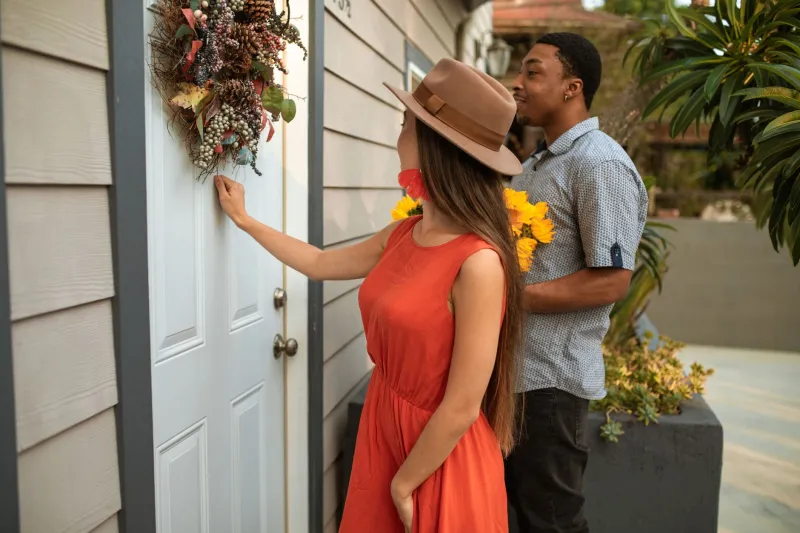
It was 2:07 in the morning when my phone lit up on the nightstand. I almost didn't look. But the name on the screen was one I recognized from that afternoon's canvass list — a retired schoolteacher from the east side of the district, a woman we'd marked as "leaning yes" after a polite three-minute exchange about inflation and healthcare costs.
The text was four lines long, and it was not polite.
"You people knocked on my door with your rehearsed little speech and your clipboard full of answers. Nobody asked what I'm actually worried about. My husband's prescriptions went up forty dollars this year and not one of your talking points mentioned that. Come back when you want to listen instead of recite."
I sat up in bed and read it three times. Then I forwarded it to our field director with a single line: "We need to talk about this one."
The Script Was Winning. The Voters Were Losing.
Here is the confession part: our canvassing operation that season was, by every internal metric, a success. We were hitting our door counts. Our contact rates were strong. Volunteers were completing their shifts and leaving with the satisfied exhaustion of a job well done.
What we were not doing — what I now understand we were barely doing at all — was listening.
Our training materials ran to fourteen pages. Twelve of them were about what to say. The other two covered how to record responses in the app. Somewhere in that imbalance, we had turned doorstep conversations into deliveries. Volunteers memorized a pitch, found the voter's likely concern on their walk sheet, and matched it to the appropriate paragraph. It was efficient. It was measurable. And according to one very tired schoolteacher, it was transparent.
Voters can smell a talking point the way you smell rain coming. They hear the pivot back to the script. They notice when their question gets acknowledged for half a second and then steamrolled by the next prepared line. They may nod along — many do, because most people are too courteous to argue on their own porch — but courtesy is not persuasion, and a nod recorded in an app is not a vote.
What We Changed Before the Next Shift
The morning after that text, our field team gathered in the back room of the campaign office and did something uncomfortable: we rewrote the playbook by cutting most of it.
The new training fit on a single page. Its first instruction was not a message point at all. It read: "Your first job is to leave knowing one true thing about this person's life that you didn't know before."
We rebuilt the walk sheets around questions instead of answers. Instead of leading with what Congressman McClintock has done — a record we remain proud of and will defend anywhere — volunteers now opened with the concerns the voter wanted to raise. Prescription costs. Insurance paperwork. The price of the weekly grocery run. The sense, voiced again and again, that Washington talks about families like theirs without ever having sat at their table.
Only after the voter finished talking were volunteers permitted to connect those concerns to the record — and only the specific votes that spoke to it. A five-vote record you can point to lands differently when it answers a question the person actually asked.
The results were humbling in both directions. Our door counts dipped. Conversations ran longer. Some volunteers, initially unnerved by the silence after an open-ended question, had to learn patience the way you learn any new skill — badly at first, then better.
But our follow-up rates climbed. People who had shut the door on us in previous cycles were calling the office back. One gentleman in his eighties invited a volunteer in for coffee and spent forty minutes explaining why he'd stopped trusting campaigns of every party. He asked for a yard sign on the way out.
Listening Does Not End When the Canvass Does
The schoolteacher's text taught us something else that has since shaped how this campaign operates: listening cannot be a door-knocking activity only. It has to survive the moment the app closes and the shift ends.
So we built follow-up into the schedule. Every voter who raised a specific concern gets a specific response — not a form letter, but a note answering what they actually asked. When our town halls raised questions we couldn't answer on the spot, we committed to written replies, and we kept that commitment, even when the answers took weeks to research.
And when we got something wrong, we said so. The schoolteacher received a personal call from me, not to defend the script but to apologize for it. She was gracious in a way I hadn't earned. She also volunteered the detail that reshaped our whole approach: "I've voted in every election since 1976," she told me. "All I've ever wanted is for somebody to ask me a real question and wait for the answer."
That is the standard now. Not a fourteen-page script, but a single honest question — and the discipline to be quiet while it's answered.
An Invitation, Not a Pitch
I'm sharing this story because campaigns rarely talk about their failures, and that silence is part of the problem. Voters have been handed too many rehearsed speeches by too many organizations for too long. They deserve better, and frankly, so do the volunteers who sign up to represent us.
If you've ever hung up on a robocall, or felt your eyes glaze at a form letter, or stood on your own porch while a stranger read at you — we understand why. We've been on the other side of it, and one 2 a.m. text message taught us the cost.
This election cycle, when a McClintock volunteer knocks on your door, expect fewer answers and more questions. Expect a volunteer who has been trained to close the app in their mind and simply listen. And if we fall short of that standard, tell us — even at two in the morning. Apparently, that's when we do our best thinking.