What One Skipped Latte Actually Buys: A Line-Item Look at Grassroots Giving
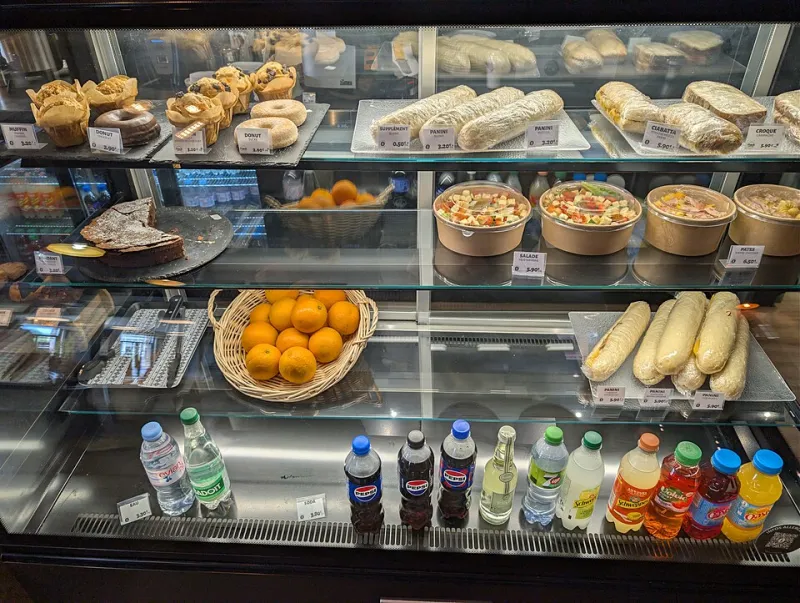
Photo: Andy Li, CC0, via Wikimedia Commons
Ask most people what happens after they click the donate button on a campaign website, and they will guess: attack ads, maybe, or a consultant's invoice. It is a reasonable suspicion. Federal elections have become an industry, and voters can be forgiven for assuming their modest contribution disappears into the machine.
We would rather show you the machine. Below is a transparent, itemized look at what small-dollar giving actually purchases in this campaign — because when a thousand neighbors each skip one latte, the money should be visible on the ground, not buried in a ledger.
The Arithmetic of a Thousand Neighbors
Start with the frame. A specialty coffee runs about ten dollars in most American towns. If one thousand people forgo that single drink once, the campaign has roughly $10,000. That is not a fortune by Washington standards, where a single thirty-second television spot can cost more than a house payment. But at the grassroots level, ten thousand dollars is a working budget — and here is precisely where it goes.
Yard Signs: The District's Handshake
The most requested item at every campaign office, without exception, is the yard sign. It costs us about $4.50 to $6 apiece to print, bundle, and distribute. A $2,500 allocation from our hypothetical latte fund puts roughly 450 signs on lawns, farm fences, and storefront windows across the district.
That may sound like decoration. It is not. A yard sign is a quiet act of public courage — a neighbor telling another neighbor that support for Tom McClintock is not a private matter but a shared one. Signs beget conversations, and conversations beget votes. Per dollar, nothing else in politics performs better.
Gas for the Canvass Drivers
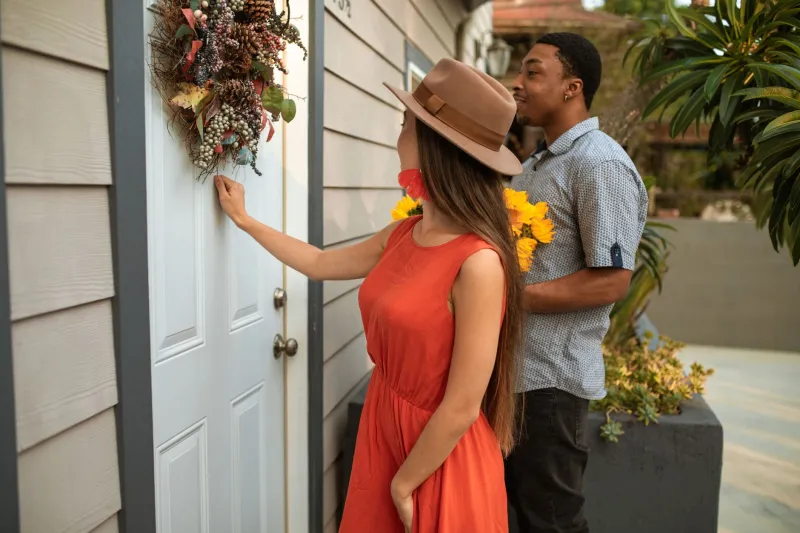
Next, the least glamorous line item and arguably the most important: fuel. Our walk packets cover precincts from the foothill communities to the valley floor, and every one of those doors is reached by a volunteer burning their own gasoline.
We do not believe our volunteers should subsidize the campaign out of pocket. A $3,000 fuel allocation reimburses drivers at the IRS mileage rate for thousands of miles of turf-cutting. Every gallon is a door knocked. Every door knocked is a voter heard. This is the least efficient use of money by the standards of a media consultant and the most efficient by the standard of actual persuasion.
Coffee for the Phone Bankers
Then there is the coffee — and we mean that literally as well as rhetorically. Our phone banks run three evenings a week, staffed by retirees, students, and working folks who give two hours after dinner. A $500 line keeps the urns full and the doughnuts coming. It is a small thing. Small things, repeated, are how volunteer cultures survive a long campaign season.
Literature, Postage, and the Long Tail
The remaining $4,000 covers the unglamorous backbone of a campaign: printed walk cards, postage for absentees who request information, clipboards, pens, and the modest software that keeps our voter contact records honest. None of it photographs well. All of it matters.
Why We Publish the Arithmetic
Some campaigns treat transparency as a legal obligation. We treat it as a matter of principle. When a supporter gives ten dollars, that person is entitled to know that their ten dollars became a sign on a fence, a mile on an odometer, or a cup of coffee in the hand of a neighbor making calls.
Large checks from distant interests come with expectations attached. A thousand small gifts come with something better: accountability to the people who live here. That is the kind of fundraising we can defend without embarrassment, and the kind of representation Tom McClintock has practiced for decades — a vote explained to constituents, not to donors.
The Invitation
So here is the pitch, stated plainly. If you have ten dollars and believe the district is best served by limited government, secure borders, and a representative who answers to his neighbors, skip the latte this week and send it our way. Then watch this space, because we intend to keep reporting on what your generosity built.
One cup of coffee buys very little. A thousand neighbors, acting together, buy a campaign. And a campaign, with your help, buys back a district's voice in Washington.