Mile Markers of Home: What Five Stops Around the District Taught Us About the Work Ahead

Photo: Andre Carrotflower, CC BY-SA 4.0, via Wikimedia Commons
The Road as a Lesson Plan
There is a temptation in campaigns to mistake a spreadsheet for a community. Numbers matter — we have published plenty of them — but numbers do not shake your hand, pour you a second cup of coffee, or tell you where the county road washed out last spring. So this month, the campaign loaded into a borrowed SUV and spent three days doing the oldest thing in American politics: driving the district and listening.
Five stops stood out. Each one anchors a neighborhood, an economy, and a set of values that Washington would do well to remember.
Stop One: The Hartwell Family Farm
The morning began at the Hartwell dairy, where fourth-generation farmer Dale Hartwell walked us past a barn his great-grandfather raised and a milking parlor his son now runs on software newer than anything we saw in Congress last session.
Dale's complaint was not complicated. input costs are up, estate taxes threaten to force a sale every generation, and trade deals negotiated without agricultural voices leave him holding the risk. What the campaign took away is simple: any agenda that claims to stand for rural America has to protect family operations from being squeezed out by regulation they did not write and consolidation they cannot outrun. That means a permanent estate tax exemption for working farms, and a seat at the table in every trade negotiation that touches our crops and cattle.
Stop Two: The Counter at Dot's on Main
Dot's Diner has served breakfast on Courthouse Square since 1961. The booths are vinyl, the coffee is strong, and the conversation is honest.
Three tables over, a contractor told us he cannot find apprentices. A retired teacher said her fixed income does not stretch like it used to. The diner, it turns out, is the district's true economic indicator — and what it reports is a small-business community ready to grow if Washington will get out of the way. Permanent full expensing for equipment, relief from the paperwork burden that hits a five-employee shop harder than a five-thousand-employee corporation, and a tax code that stops penalizing the first hire: those are not slogans. They are breakfast conversation.
Stop Three: Post 47, Where the Debt Is Owed
The American Legion hall on Route 9 is the district's living room for weddings, funerals, and Friday fish fries. It is also where the promises made to our veterans come due.
Commander Ray Alvarez did not ask for ceremony. He asked for the VA claims backlog to be cleared on a timeline someone in Washington actually answers for, for rural clinics to be funded so a veteran does not drive ninety minutes for a prescription, and for mental health support that reaches men who were raised not to ask. The campaign's commitment is straightforward: veterans' funding is not discretionary in any sense that matters, and we will vote as if every promise signed has a signature on the other end.
Stop Four: The Gymnasium at Jefferson County High
Friday night found us at a basketball game, standing-room only, the bleachers groaning. Coach Mike Reyes, who has run the program for twenty years, talks about his players the way Dale talks about his herd — with pride, and with worry.
The worry is opportunity. Too many graduates leave because the jobs that should be waiting do not exist yet, and the ones that do require training the district cannot currently offer. Jefferson County's new career-technical partnership with the community college is a start. Federal policy should meet it there: vocational education funding that treats a welding certificate with the same respect as a bachelor's degree, and broadband buildout so a rural student can take the same courses as a suburban one.
Stop Five: The Floor at Ridgeline Fabrication
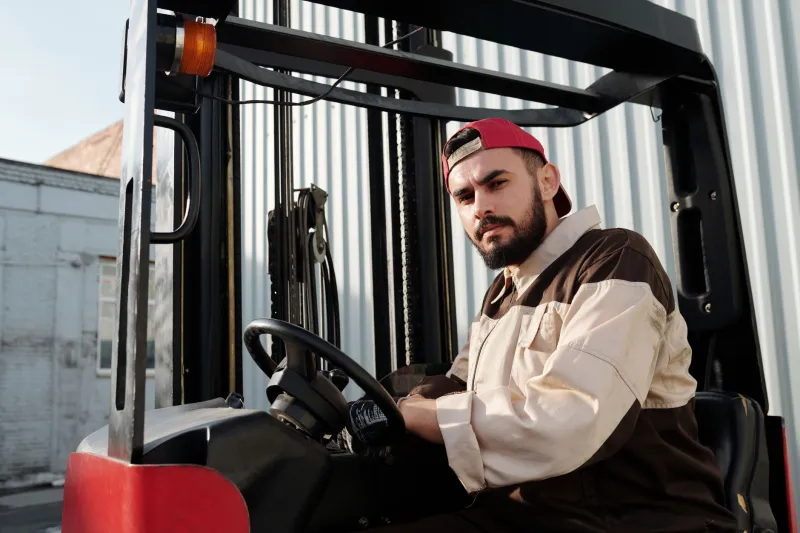
Our last stop was the loudest — the welding floor at Ridgeline Fabrication, where fifty-three employees turn raw steel into agricultural equipment shipped as far as Australia. Owner Karen Osei started the company in a rented garage in 1998.
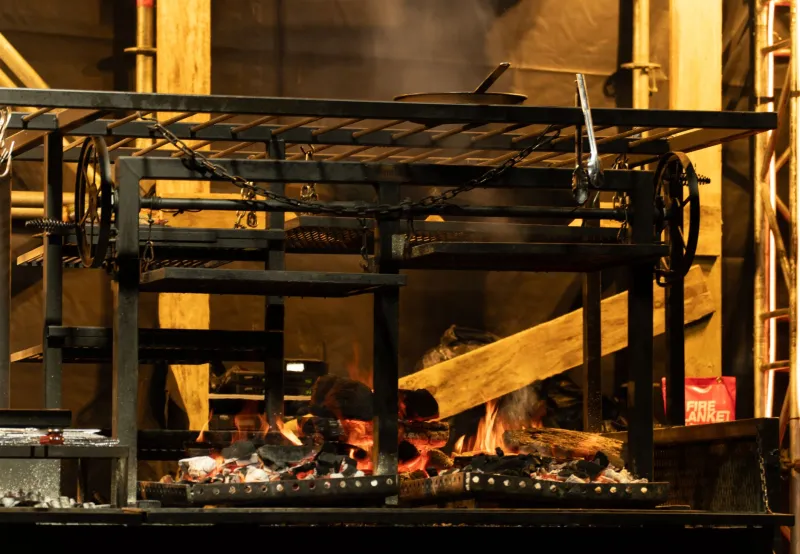
Her concern is energy and supply chains. When the grid gets unreliable or a single overseas chokehold raises the price of a component, her orders stall. A serious manufacturing agenda — domestic critical minerals, reliable baseload power, and permitting reform that lets a factory expand without a decade of litigation — is not a favor to business. It is a defense of the paychecks on that floor.
What the Road Demands
Five stops, five stories, one common thread: this district does not need managing. It needs defending. The families at these five places are the reason this campaign exists, and every vote we take in Washington will be measured against a dairy barn, a diner counter, a Legion hall, a gymnasium, and a fabrication floor.
We will keep driving. We hope you will keep telling us where to turn next.