Fourteen Hours, One Bus, and Every Dollar Accounted For: The True Ledger of a Campaign Day
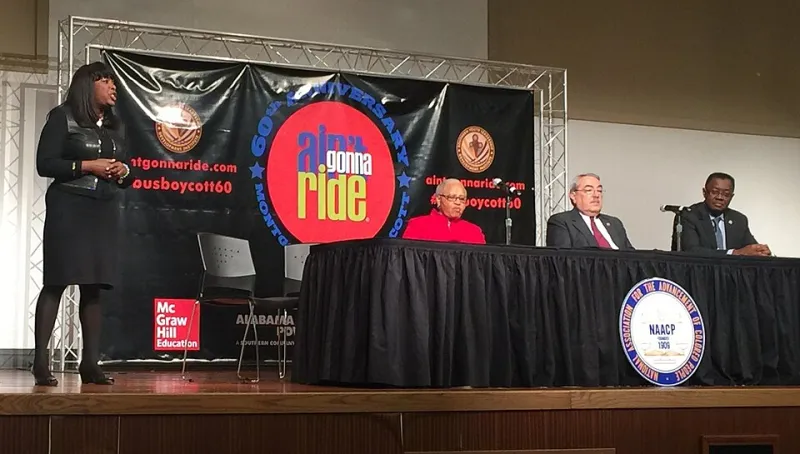
Photo: Terri Sewell, Public domain, via Wikimedia Commons
There is a version of campaigning that exists in campaign commercials: the candidate in a pressed shirt, shaking hands at a diner, sunlight streaming across a barn. Then there is the version that actually pays the bills. Last Tuesday, with the help of our finance staff, we tracked every expense of a single fourteen-hour swing through the district — from the moment the bus pulled out of the lot at 5:45 a.m. until the last volunteer headed home past 8 p.m. We are publishing that ledger here, because if you are giving your money to this campaign, you deserve to know precisely where it goes.
The Morning Ledger: Fuel, Coffee, and Open Roads
A campaign day begins at the pump, not the podium. Filling the bus before sunrise cost $187 in diesel — and that tank would need a second fill by mid-afternoon to cover the 240 miles between a rotary club breakfast in the valley and an afternoon listening session near the county fairgrounds. Add tolls, parking, and a modest mileage reimbursement for the staff car trailing behind, and ground transportation for the day came to $312.
Coffee is not a line item anyone romanticizes, but twelve staff and volunteers rotating through three stops generated $96 in breakfast purchases. We buy local wherever we stop — the diner in the eastern part of the district has hosted every campaign since the 1990s, and we intend to keep that tradition alive. Those meals are not perks; they are the mechanical cost of keeping eleven people moving for fourteen hours.
The Midday Reality: Venues, Insurance, and the Costs Nobody Photographs
The single largest expense of the day was not fuel or food. Renting the grange hall for our afternoon town hall — tables, chairs, sound system, and the required certificate of liability insurance attached to the reservation — came to $540. Insurance alone, which most donors never think to ask about, runs the campaign $74 per event day. Multiply that across a full season of town halls and you begin to understand why grassroots contributions matter so much.
Printed agendas, name tags, and a small honorarium for the local veteran who led the pledge added another $130. None of it is glamorous. All of it is necessary.
Who Pays It — and Why Small Dollars Do
Here is the point of the exercise. The total cost of Tuesday came to roughly $1,078. Not one dollar of it came from a corporate PAC or a bundled check from a special interest. It came from supporters who gave $25, $50, $100 — the retired teacher in the western precincts, the farmer who mails a check after every newsletter, the young family who gives $10 a month because they believe a congressional district should be represented by its neighbors.
A single skipped dinner out funds an hour of town hall rental. One family's monthly commitment covers a tank of diesel. That is the arithmetic of a grassroots campaign: modest numbers, multiplied by conviction, become a movement.
We publish this accounting because transparency is not a campaign promise to be fulfilled after an election. It is a practice that starts now, on a Tuesday, with a ledger that shows $187 for diesel and $74 for insurance and not one cent unaccounted for. When you give to this campaign, you are not funding a lifestyle. You are funding fuel in the tank, coffee in the cup, and a grange hall full of neighbors asking hard questions of the man who wants to represent them.
That is a day on the bus. That is where your dollar goes. And that is a bargain we intend to keep earning.