The Conversation That Wins Elections: A Supporter's Guide to Respectful Persuasion
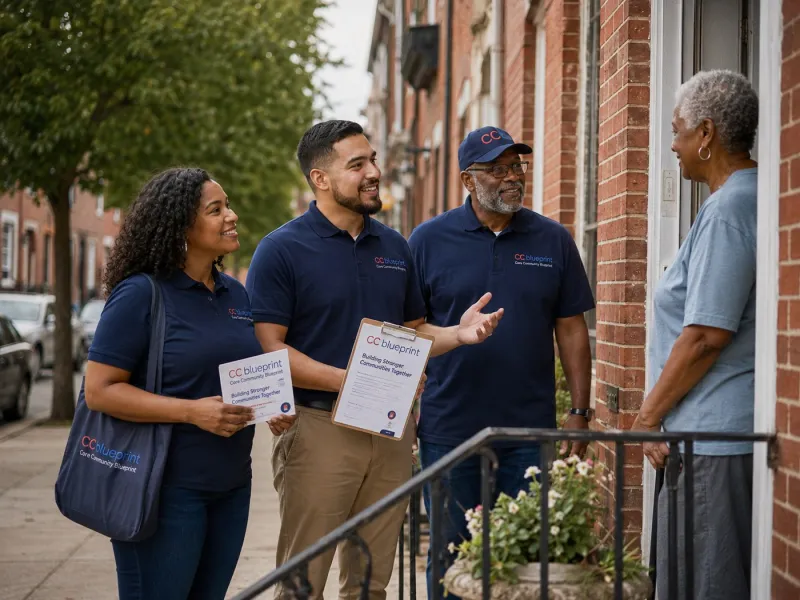
Photo: volunteers canvassing neighborhood doors friendly conversation, via ccblueprint.org
Every campaign eventually learns the same lesson: voters don't trust institutions, they trust people. The neighbor who waves from the driveway. The fellow parent at the Friday night game. The man you see at church or the woman behind the counter at the hardware store. No advertisement, however polished, can substitute for a genuine conversation between people who know each other.
That is why the backbone of our 2026 effort isn't a media buy. It's you.
Why the Kitchen Table Beats the Campaign Mailer
Political scientists have a term for it — the "two-way conversation advantage." When a voter hears an argument from someone they already respect, that argument lands differently. It isn't filtered through skepticism about politicians or the press. It arrives with a face attached.
Our opponents will spend heavily on messaging this cycle. We intend to spend heavily on something harder to buy: relationships. But persuasion at the doorstep is a craft, and like any craft, it rewards preparation. What follows is the guidance we give every first-time canvasser before they knock on their first door.
Start With Listening, Not Lecturing
The most common mistake new volunteers make is treating every conversation as a debate to be won. Resist that instinct. Your first job is to understand what your neighbor actually cares about — the cost of groceries, the condition of the roads, whether their kids can afford to stay in the community they grew up in.
Ask a simple opening question: "What's the biggest issue facing your family right now?" Then be quiet and let them answer. You will learn more in ninety seconds of listening than in ten minutes of talking points.
Three Talking Points That Travel Well
Once your neighbor shares a concern, connect it to the campaign's priorities in plain language:
1. Cost of living. Families in this district are paying substantially more for the same basket of goods than they were a few years ago. The campaign's answer is straightforward: rein in Washington spending that fuels inflation, expand domestic energy production to lower costs at the pump and the meter, and resist new regulations that raise prices on small businesses and pass them to consumers.
2. Opportunity close to home. Our district's young people shouldn't have to leave to build a life. That means supporting the trades, backing farmers and ranchers against bureaucratic overreach, and fighting for infrastructure that lets local employers compete.
3. A record, not a slogan. This campaign can point to actual votes — on fiscal restraint, on protecting constitutional rights, on standing up for law enforcement. Encourage your neighbor to judge the record, not the rhetoric.
Questions You Should Expect — and How to Answer Them
"Doesn't my vote even matter?" Remind them that recent elections in our state have been decided by margins smaller than the attendance at a single high school football game. Then offer to help them make a plan to vote.
"I don't follow politics." That's fine. Ask what they'd tell Congress if they had five minutes with a member. You'll usually find their answer aligns more closely with our platform than they expected.
"Aren't all politicians the same?" Point to the legislative record. Names on a ballot differ in what they've actually done, and the record is public.
The First-Time Canvasser's Checklist
Before you head out — even if it's just your own cul-de-sac — run through this list:
- Know the top three campaign priorities cold, in one sentence each.
- Bring water, wear comfortable shoes, and check the weather.
- Carry a simple leave-behind card with the campaign website.
- Respect every yard. If a sign or a closed gate says no, honor it.
- Never argue. If a conversation turns hostile, thank them for their time and move on gracefully.
- Log what you heard — concerns, questions, support levels — so the campaign can follow up.
The Long Game
Not every conversation changes a mind on the spot, and that's all right. Persuasion is cumulative. A respectful exchange today plants a seed that a mailer, a debate, or a second conversation may water next month.
What wins elections isn't the loudest voice — it's the most trusted one. This cycle, be that voice on your street. Join a canvass shift, bring a friend, and show your neighbors that standing strong for our district starts at their front door.